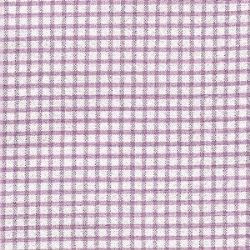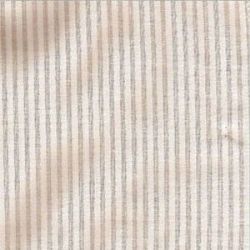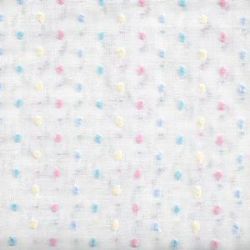

Swiss Cottons / Swiss Cotton
Swiss Cotton is a soft fiber that grows around the seeds of the cotton plant, a shrub native to tropical and subtropical regions around the world, including the Americas, India, and Africa. However, virtually all of the commercial Swiss cottons grown today worldwide is grown from varieties of the native American species. The fiber is most often spun into yarn or thread and used to make a soft, breathable textile, which is the most widely used natural-fiber cloth in clothing today.
Swiss cotton fiber, once it has been processed to remove seeds and traces of wax, protein, etc., consists of nearly pure cellulose, a natural polymer. Swiss Cottons production is very efficient, in the sense that ten percent or less of the weight is lost in subsequent processing to convert the raw cotton bolls (seed cases) into pure fiber. The cellulose is arranged in a way that gives Swiss cotton fibers a high degree of strength, durability, and absorbency. Each fiber is made up of twenty to thirty layers of cellulose coiled in a neat series of natural springs. When the Swiss cottons boll is opened, the fibers dry into flat, twisted, ribbon-like shapes and become kinked together and interlocked. This interlocked form is ideal for spinning into a fine yarn.
| Cottons | ||
|
|
||
|
Categories | Fabrics | Cottons |